Peer-Reviewed Clinical Dossier & Science Archive

STEMREGEN® Clinical Research & Peer-Reviewed Science

Explore published human clinical trials, biological mechanism of action monographs, and safety dossiers.

NAFDAC Reg. No. A7-103241L
28+ Scientific Publications & Monographs
9 International Stem Cell Patents
Scientific Pioneer & Author

The Science & Vision of Christian Drapeau, MSc

Neurophysiologist, Founder, and Pioneer of the Science of Endogenous Stem Cell Mobilization.
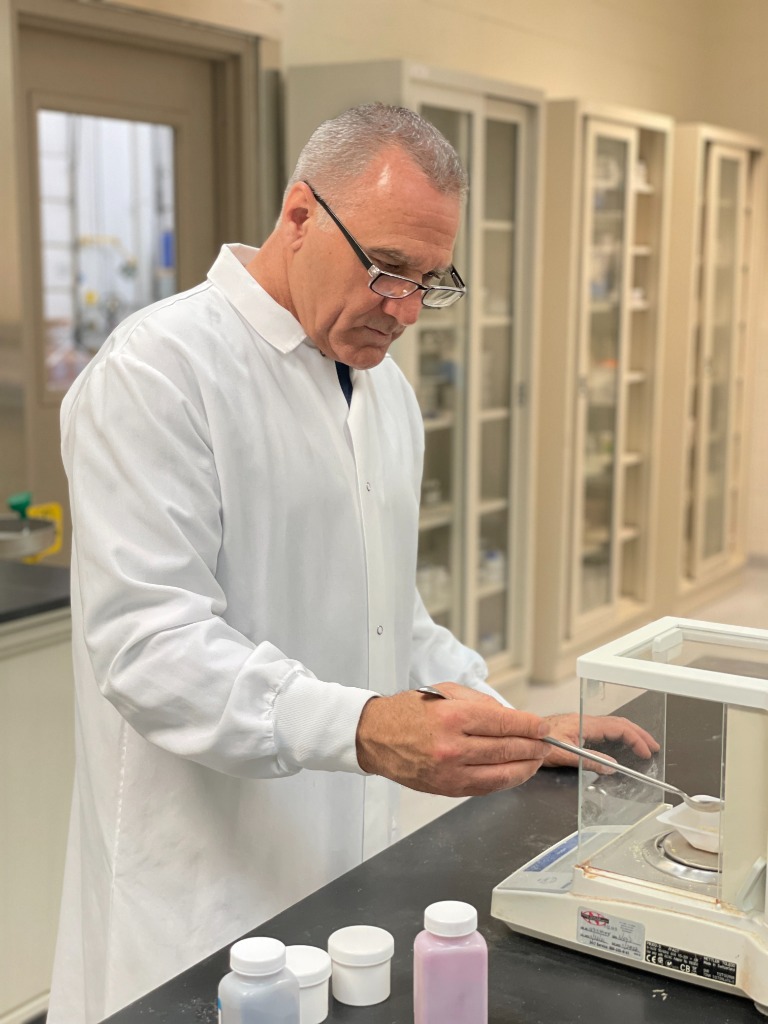
Christian Drapeau, MSc conducting analytical research in the laboratory
Active Laboratory ResearchEst. 2002

Christian Drapeau, MSc in the Analytical & Formulation Laboratory

Founder & Chief Science Officer

Christian Drapeau, MSc

Neurophysiologist · McGill University Graduate · 9 Patents in Stem Cell Science

Christian Drapeau is a neurophysiologist and the global pioneer in adult stem cell science. Trained in neurophysiology at the Montreal Neurological Institute, McGill University, Drapeau was the first researcher to propose — in a landmark peer-reviewed 2002 publication in Medical Hypotheses — that adult bone marrow stem cells constitute the natural repair system of the human body.

Over the past twenty-three years, he has led the identification and isolation of natural botanical extracts that support endogenous stem cell mobilization, earning nine international patents and authoring 28+ scientific publications — spanning peer-reviewed clinical studies, book chapters, and monographs — verified on ResearchGate and Google Scholar.
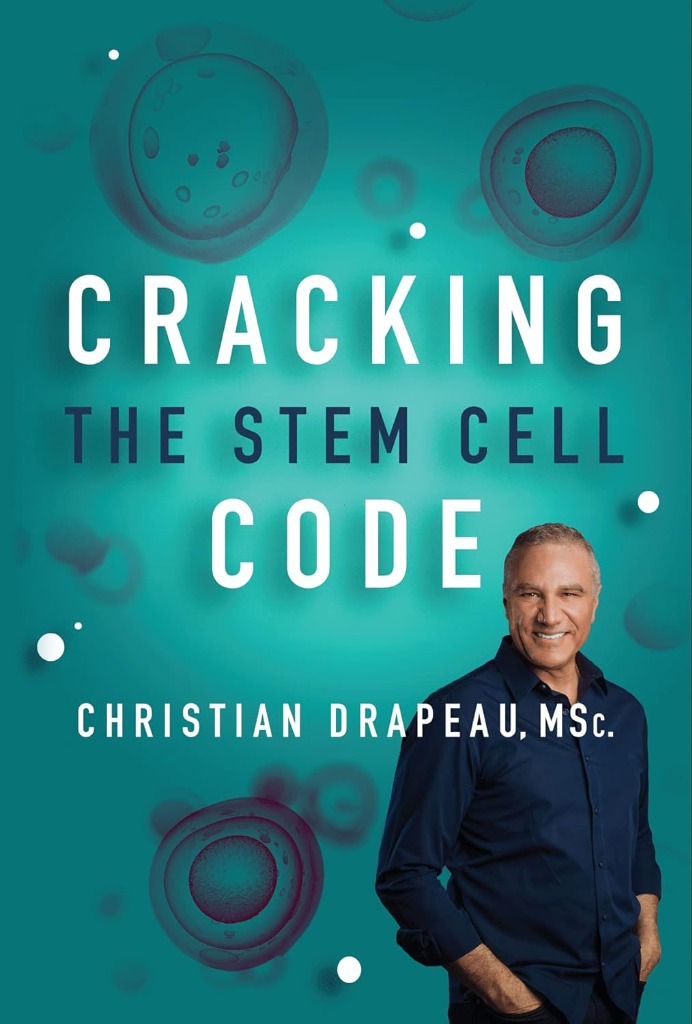
Cracking the Stem Cell Code by Christian Drapeau, MSc
Authoritative Scientific Monograph

Cracking the Stem Cell Code

Demystifying the Most Dramatic Scientific Breakthrough of Our Times (256 pp). In this acclaimed book, Drapeau synthesizes two decades of clinical and biological research explaining how adult stem cells serve as the body's repair engine and how plant-based mobilizers support systemic tissue renewal.

23+
Years Research
9
Patents Held
2002
Landmark Paper
28+
Publications
Showing 16 Scientific Publications & Clinical Dossiers
Botanical Bioactives2007Double-Blind, Randomized, Placebo-Controlled Crossover Trial (n = 12) & In-Vitro Receptor Assay14 pages · Peer-Reviewed Journal Reprint

Mobilization of Human CD34+CD133+ and CD34+CD133- Stem Cells In Vivo by Consumption of an Extract from Aphanizomenon flos-aquae — Related to Modulation of CXCR4 Expression by an L-Selectin Ligand?

Jensen G.S., Hart A.N., Zaske L.A.M., Drapeau C., Gupta N., Schaeffer D.J., Cruickshank J.A. — Cardiovascular Revascularization Medicine (8(3): 189-202)

Institution: Holger NIS Inc. (Calgary, Canada), Natural Immune System Inc. (Klamath Falls, OR), Merle West Medical Center & University of Illinois at Urbana-Champaign

Evaluated whether an aqueous extract from the cyanophyta Aphanizomenon flos-aquae (AFA-W) contains a novel ligand for human CD62L (L-selectin) that modulates CXCR4 chemokine receptor expression on CD34+ bone marrow cells in vitro and triggers transient mobilization of CD34+CD133+ and CD34+CD133- stem cells into peripheral blood in humans.

Key Clinical Endpoints:
Isolated a novel 54–57 kDa (160–180 kDa native) L-selectin ligand from Aphanizomenon flos-aquae that competitively inhibited TQ1 antibody binding ~50-fold on human leukocytes
Inhibited fucoidan-induced CXCR4 chemokine receptor externalization by 30% on primary human bone marrow CD34+ cells and 50% on CD34bright KG1a progenitor cells (p < 0.02)
Oral consumption of 1 g AFA extract increased circulating CD34+ stem cells by 18% ± 3% across all subjects (p < 0.0003) and 25% ± 1% in compliant subjects (p < 0.0001) at 60 minutes post-dose (53% ± 16% mean peak across 16 repeated single-subject challenges)
Selective mobilization of CD34+CD133+ and CD34+CD133- progenitor subsets without altering total white blood cell or lymphocyte counts
Read Fullscreen
ResearchGate
Botanical Bioactives2019Randomized, Double-Blind, Placebo-Controlled Crossover Trial (n = 12, NCT03388073)11 pages · Peer-Reviewed Journal Reprint

Rapid and Selective Mobilization of Specific Stem Cell Types After Consumption of a Polyphenol-Rich Extract from Sea Buckthorn Berries (Hippophae) in Healthy Human Subjects

Drapeau C., Benson K.F., Jensen G.S. — Clinical Interventions in Aging (14: 253-263)

Institution: NIS Labs (Klamath Falls, OR, USA) & Kalyagen Inc. (Addison, TX, USA)

Randomized, double-blind, placebo-controlled crossover clinical trial (ClinicalTrials.gov NCT03388073; Sky Lakes Medical Center IRB FWA 2603) evaluating whether oral consumption of a single 500 mg dose of a proanthocyanidin-rich extract of Tibetan sea buckthorn berries (Hippophae rhamnoides, SBB-PE) triggers rapid and selective mobilization of specific stem cell phenotypes in healthy human subjects (n = 12).

Key Clinical Endpoints:
Highly significant mobilization of CD45dim CD34+ CD309- progenitor stem cells (+24.2% ± 5.3% at 120 min, p < 0.001) and CD45dim CD34+ CD309+ pluripotential stem cells (+19.5% ± 7.0% at 60 min, p < 0.016)
Significant mobilization of CD45- CD31+ CD309+ regenerative endothelial stem cells (+29.8% ± 11.0% at 60 min, p < 0.019; +33.4% ± 10.2% at 120 min, p < 0.007)
Significant increase in circulating CD45- CD90+ lymphocytoid mesenchymal stem cells (+19.2% ± 7.0% at 60 min, p < 0.032; +20.8% ± 5.7% at 120 min, p < 0.016) alongside elevated CD45+ CD90+ Friedenstein-type MSCs
No significant changes in CD34- CD117+ hematopoietic precursor counts, confirming selective lineage mobilization with zero adverse events
Read Fullscreen
ResearchGate
Botanical Bioactives2015Randomized, Double-Blind, Placebo-Controlled Crossover Pilot Trial4 pages · Peer-Reviewed Journal Reprint

Aloe macroclada from Madagascar Triggers Transient Bone Marrow Stem Cell Mobilization

Drapeau C., Benson K.F., James J., Jensen G.S. — Journal of Stem Cell Research & Therapy (5(6): 287)

Institution: Stemtech International (San Clemente, CA), Natural Immune System Labs (Klamath Falls, OR) & Mioty Voajanahary (Madagascar)

Randomized, double-blind, placebo-controlled crossover pilot study evaluating the traditional Malagasy preparation of Aloe macroclada (Vahona)—historically documented in the 1901 Dandouau Catalog as a factor of rejuvenation and longevity—for its capacity to trigger acute mobilization of CD45dim CD34+ and CD34+ CD133+ bone marrow stem cells in healthy human subjects.

Key Clinical Endpoints:
Significant increase in circulating CD45dim CD34+ stem cells at 120 min (p < 0.04) and 180 min (p < 0.02), rising from 1.15 cells/µL at baseline to 1.60–1.62 cells/µL (a maximum increase of 39%, or ~2.35 million new stem cells in 5 L blood)
Substantial elevation in primitive CD34+ CD133+ stem cells (+23% at 60 min, +27% at 120 min, and +41% at 180 min compensated vs. placebo, p < 0.05; absolute count rising from 0.82 to 1.26 cells/µL, a 53% maximum increase or ~2.20 million stem cells)
Sustained mobilization still rising at 180 minutes post-consumption with zero adverse effects reported
Read Fullscreen
ResearchGate
Cardiovascular & Heart2025Prospective 6-Month Clinical Trial in Chronic Stable Congestive Heart Failure (n = 10)8 pages · Peer-Reviewed Clinical Paper

The Effect of Endogenous Stem Cell Mobilization on Congestive Heart Failure

Drapeau C., Komaran G., Pedrero F., Garber M. — Stem Cell & Regenerative Medicine (9(1): 1-8)

Institution: STEMREGEN Research (Whitefish, MT, USA) & Madrid Clinical Cardiology Group (Madrid, Spain)

Prospective 6-month clinical study evaluating whether daily plant-based Endogenous Stem Cell Mobilization (ESCM) using STEMREGEN® RELEASE improves cardiac function, neurohormonal ventricular stress biomarkers, and angina-related quality of life in patients (n = 10) with chronic stable congestive heart failure (NYHA Class II–III, baseline LVEF < 45%).

Key Clinical Endpoints:
Left Ventricular Ejection Fraction (LVEF) increased by 20.3% ± 4.5% (rising from 42.5% ± 1.6% at baseline to 51.1% ± 1.6% at 6 months, +8.6 ± 1.8 percentage points, p < 0.001)
Plasma Natriuretic Peptide (NP) levels decreased by 14.7% ± 3.3% (dropping from 1907.4 ± 78.6 pg/mL to 1625.7 ± 8.6 pg/mL, -281.7 ± 83.5 pg/mL, p < 0.001)
Seattle Angina Questionnaire-7 (SAQ-7) quality-of-life scores improved by 23.1% ± 6.3% (rising from 65.0 ± 2.1 to 80.0 ± 1.7, +15.0 ± 3.8 points, p < 0.001), with a strong linear correlation (r = 0.9) between LVEF and SAQ-7 improvement and zero adverse events
Clinical Archive #endogenous-mobilization-heart-failure
Read Fullscreen
ResearchGate
Clinical Trials2012Peer-Reviewed Book Chapter & Comparative Clinical Synthesis (36 Pages)36 pages · Peer-Reviewed Book Chapter

The Therapeutic Potential of Stimulating Endogenous Stem Cell Mobilization

Drapeau C., Eufemio G., Mazzoni P., Roth G.D., Strandberg S. — Tissue Regeneration — From Basic Biology to Clinical Application (InTechOpen) (Chapter 8, pp. 167-202)

Institution: Stemtech International (San Clemente, CA), Cardinal Santos Medical Center (Manila, Philippines), Neurology and Psychiatry Center (Ostfildern, Germany) & Stem Cell Center (Spokane, WA)

Comprehensive 36-page peer-reviewed book chapter examining the physiology of bone marrow stem cell egress (G-CSF, SDF-1/CXCR4, MMP-9, and L-selectin adhesion dynamics), comparing pharmacological mobilizers (G-CSF, Mozobil®/Plerixafor) with natural botanical stem cell mobilizers (Aphanizomenon flos-aquae L-selectin ligand, Fucus vesiculosus and Undaria pinnatifida fucoidans), and reviewing multi-organ tissue regeneration across cardiac, neurological, hepatic, pancreatic, renal, cutaneous, and orthopedic models.

Key Clinical Endpoints:
Demonstrates that circulating bone marrow stem cells constitute the body’s innate physiological repair system, correlating directly with clinical recovery after stroke, myocardial infarction, and organ injury
Compares pharmacological mobilizers (G-CSF, Plerixafor) against safe daily botanical mobilizers (AFA L-selectin blocker and Undaria/Fucus fucoidans) suitable for sustained long-term tissue renewal
Documents multi-lineage regeneration of cardiomyocytes, neurons, hepatocytes, pancreatic beta-cells, renal epithelium, and osteochondral tissues without the risks of ex-vivo stem cell manipulation
Read Fullscreen
ResearchGate
Clinical Trials2024Double-Blind, Placebo-Controlled Crossover Flow-Cytometry & Mechanistic Synthesis12 pages · Clinical White Paper

Determination of the Number of Stem Cells Released by One Serving (2 Capsules) of STEMREGEN® RELEASE

Christian Drapeau, MSc — STEMREGEN Clinical White Paper & Mechanistic Synthesis (Second Edition (November 2024 · 12 pages))

Institution: STEMREGEN Research & Development

Evaluates the total endogenous stem cell mobilization triggered by one serving (2 capsules) of STEMREGEN® RELEASE by synthesizing double-blind, placebo-controlled human flow-cytometry trials and mechanistic receptor studies across its active botanical extracts: Aphanizomenon flos-aquae (AFA), Tibetan Hippophae rhamnoides berry extract, Malagasy Aloe macroclada (Vahona), Fucus vesiculosus fucoidan, Panax notoginseng saponins, and bovine colostrum.

Key Clinical Endpoints:
One serving (2 capsules) of STEMREGEN® RELEASE conservatively triggers an 80%–150% increase in circulating stem cells, releasing >10 million to 18 million new stem cells within 2–3 hours
Combines four distinct mobilization pathways: L-selectin (CD62L) blockade, Granulocyte Colony-Stimulating Factor (G-CSF) support, Stem Cell Factor (SCF) elevation, and peripheral Stromal-Derived Factor-1 (SDF-1) gradient modulation
Sequential multi-botanical release kinetics: AFA peaks at 60 min (+18%–25% CD34+), Sea Buckthorn peaks at 120 min (+24%–44% CD34+, +33.4% endothelial progenitors), and Aloe macroclada peaks at 120–180 min (+39%–53% CD34+/CD133+)
Physiological mobilization and tissue homing without bone marrow depletion or adverse hemodynamic effects
Clinical Archive #stemregen-crossover-trial
Read Fullscreen
ResearchGate
Dental & Periodontitis2025Controlled In-Vivo Endodontic & Histopathological Host-Modulation Trial (n = 27)10 pages · Peer-Reviewed Journal Reprint

The Effects of Stemregen® Host Modulation Therapy on Experimentally Induced Apical Periodontitis in Rats

Gönüllü F., Ocak M.S., Dündar S., Özercan İ.H. — Journal of Applied Oral Science (33: e20240446)

Institution: Fırat University Faculty of Dentistry & Faculty of Medicine (Elazığ, Turkey) & Isparta Oral and Dental Health Center

Controlled in-vivo study investigating the osteogenic, anti-inflammatory, and periapical host-modulation effects of systemic STEMREGEN® administration (300 mg/kg/day for 30 days) on experimentally induced mandibular first-molar apical periodontitis in Sprague-Dawley rats (n = 27).

Key Clinical Endpoints:
Significantly reduced periapical inflammation (mean score 0.7 ± 0.5 vs. 1.7 ± 0.5 in positive control, p < 0.001) and abscess formation (80% abscess-free [score 0] vs. 10% in positive control, p < 0.001)
Significantly increased osteoblastic bone-forming activity (mean score 1.7 ± 0.5 vs. 0.9 ± 0.6, p = 0.005) and Osteoprotegerin (OPG) expression (mean 1.7 ± 0.5 vs. 0.9 ± 0.6, p = 0.005), alongside lower RANKL expression than untreated periodontitis controls (p = 0.032)
Restored systemic phosphorus homeostasis (7.7 ± 0.4 mg/dL in STEMREGEN® group vs. 6.9 ± 0.3 mg/dL in untreated periodontitis control, p < 0.001)
Read Fullscreen
ResearchGate
Musculoskeletal & Regeneration2010Controlled In-Vivo GFP+ Bone Marrow Chimera & Muscle Regeneration Study (n = 30)6 pages · Peer-Reviewed Journal Reprint

Mobilization of Bone Marrow Stem Cells with StemEnhance® Improves Muscle Regeneration in Cardiotoxin-Induced Muscle Injury

Drapeau C., Antarr D., Ma H., Yang Z., Tang L., Hoffman R.M., Schaeffer D.J. — Cell Cycle (9(9): 1819-1823)

Institution: Stemtech HealthSciences (San Clemente, CA), AntiCancer Inc. (San Diego, CA), Department of Surgery, University of California San Diego & University of Illinois at Urbana-Champaign

Evaluated whether daily oral administration of StemEnhance® (SE), an Aphanizomenon flos-aquae L-selectin ligand concentrate, enhances the homing and incorporation of green fluorescent protein-expressing (GFP+) bone marrow-derived stem cells into regenerating skeletal muscle following cardiotoxin-induced myonecrosis in lethally irradiated C57BL/6 mice.

Key Clinical Endpoints:
Significantly enhanced GFP+ bone marrow stem cell incorporation into the cardiotoxin-injured right anterior tibialis muscle (21.7 ± 2.8 mm² fluorescent area in the SE group vs. 17.5 ± 3.0 mm² in controls, p < 0.05 — a 24% increase in bone marrow-derived muscle regeneration)
Injury-specific stem cell homing: GFP+ incorporation in the injured right tibialis (21.7 ± 2.8 mm²) was >2.5-fold higher than in the uninjured contralateral left tibialis (8.4 ± 1.0 mm² in SE vs. 7.8 ± 0.8 mm² in controls, p < 0.05)
Confirmed safe long-term tolerability at 300 mg/kg/day (~10× the human equivalent dose) over 59 days with no toxicity, mortality difference, or abnormal weight trajectory (p = 0.9)
Read Fullscreen
ResearchGate
Musculoskeletal & Regeneration2015Randomized, Pair-Matched Controlled Clinical Evaluation (n = 12 Professional Athletes)4 pages · Peer-Reviewed Clinical Study

Use of Stem Cell Mobilizer SE2® as Part of Conventional Treatment on Ankle Injuries to Expedite Recovery in Professional Soccer Players

Garber M., Mazzoni P., Nazir C., Drapeau C. — Journal of Advancement in Medical and Life Sciences (2(3): 1-4)

Institution: Clínica Quantum (Madrid, Spain), Rayo Majadahonda Medical Staff (Madrid, Spain) & Stemtech R&D

Randomized, pair-matched controlled clinical evaluation of 12 male professional soccer players (Rayo Majadahonda, Spain; ages 18–22) presenting with acute Grade II ankle sprains (partial ligament tearing, swelling, and joint instability without fracture). Evaluated whether adding daily oral stem cell mobilization (SE2® and StemFlo®) to standard sports medicine rehabilitation accelerates soft-tissue repair and return to play.

Key Clinical Endpoints:
Reduced average full return-to-play recovery time to 17 days in the stem cell mobilization group vs. 21+ days in conventional controls (expediting competitive return by ~1 week)
Superior functional ankle stabilization at Day 14: median Karlsson and Peterson (KAFS) score reached 89 ("Good" recovery category, 80–89) in the mobilized group vs. 72 ("Fair" category, 60–79) in controls
Diagnostic soft-tissue ultrasound confirmed accelerated ligament and tendon repair by Days 12–14 alongside reduced requirement for analgesic/NSAID pain medication
Clinical Archive #garber-ankle-tissue-repair
Read Fullscreen
ResearchGate
Cardiovascular & Heart2024Cardiovascular Regenerative Medicine White Paper & Clinical Synthesis (33 References)24 pages · Clinical White Paper

Cardiovascular Disease: A Global Challenge and the Need for Regenerative Solutions

Christian Drapeau, MSc — STEMREGEN Clinical White Paper Series (First Edition (December 2024 · 24 pages))

Institution: STEMREGEN Research & Development

Examines the limitations of conventional symptom-focused cardiovascular pharmacotherapy and reviews the regenerative role of endogenous bone marrow stem cells and endothelial progenitor cells (EPCs) in cardiomyocyte renewal, myocardial neovascularization, anti-inflammatory cytokine modulation, and attenuation of post-ischemic cardiac fibrosis. Includes 6-month human clinical outcome data in chronic stable heart failure patients supplementing with STEMREGEN® RELEASE.

Key Clinical Endpoints:
Circulating endothelial progenitor cell (EPC) levels correlate inversely with Framingham cardiovascular risk scores (r = -0.47, p = 0.001) and drive VEGF/SDF-1-mediated myocardial angiogenesis
Upregulating endogenous stem cell availability shifts post-injury myocardial remodeling toward functional cardiomyocyte replenishment (~1% annual baseline turnover) rather than stiff fibroblast scar tissue
Mobilized mesenchymal and hematopoietic stem cells secrete IL-10 and TGF-β, counteracting chronic TNF-α, IL-6, and C-reactive protein inflammatory signaling in heart failure
In a 6-month clinical cohort of stable congestive heart failure patients (baseline LVEF 42.5% ± 1.6%), daily STEMREGEN® RELEASE increased LVEF by 20.3%, reduced Natriuretic Peptides by 14.7%, and improved SAQ-7 scores by 23.1% (r = 0.9 correlation with LVEF)
Clinical Archive #stemregen-cardiovascular-disease
Read Fullscreen
ResearchGate
Regenerative Medicine2013Peer-Reviewed Scientific Editorial & Endogenous Tissue Turnover Analysis2

Understanding the Natural Role of Stem Cells in the Body: A New Understanding of Disease Formation?

Christian Drapeau — Journal of Stem Cell Research & Therapy (3(3): 1000e116)

Institution: Stemtech International, San Clemente, CA, USA

Growing literature demonstrates that endogenous bone marrow stem cells constitute the natural repair and daily renewal system of the human body. Following acute injuries such as myocardial infarction, skin burns, bone fractures, and stroke, affected tissues release Granulocyte-Colony Stimulating Factor (G-CSF) to mobilize bone marrow stem cells into peripheral blood circulation, which then migrate into damaged tissue and differentiate to participate in repair. Beyond acute injury, sex-mismatched transplant chimerism and carbon-14 (C14) retrospective DNA birth-dating studies reveal continuous steady-state cellular turnover across vital organs. Because a healthy 40-year-old adult has replaced major organs multiple times without developing organ failure, degenerative disease is not caused simply by cellular loss, but rather by a decline in endogenous stem cell-based renewal—when the rate of cellular loss exceeds the rate of stem cell-mediated tissue repair.

Key Clinical Endpoints:
Following acute myocardial infarction (AMI), cardiac tissue releases G-CSF, triggering bone marrow stem cell mobilization that peaks in peripheral blood at 4–7 days post-injury—a phenomenon similarly documented after skin burns, bone fractures, and stroke
In the absence of acute tissue injury, human sex-mismatched bone marrow transplant biopsies demonstrate steady-state donor chimerism reaching 5% in the liver after 13 days, 2% in the skin after 19 days, and 6% in the gastrointestinal tract after 60 days
Human cardiomyocyte turnover (~7 million cells/year; ~15% heart renewal by age 40, and ~50% heart renewal over ~25 years via C14 DNA dating) alongside daily turnover rates in the liver (~0.16%/day), lung (~0.07%/day), and murine pancreatic beta-cells (up to 3% every few days) indicate continuous multi-organ replacement throughout adult life
Clinical evidence links reduced circulating stem/progenitor cell numbers to the progression of type 2 diabetes (from impaired fasting glucose to insulin-dependent diabetes), cardiovascular disease, atherosclerosis, Alzheimer's disease, rheumatoid arthritis, COPD, erectile dysfunction, and muscular dystrophy
Read Fullscreen
ResearchGate
Stem Cell Biology2002Landmark Theoretical Paper & Paradigm Formulation (The Stem Cell Theory of Healing)7 pages · Landmark Scientific Paper

The Use of In Situ Bone Marrow Stem Cells for the Treatment of Various Degenerative Diseases

Gitte S. Jensen, PhD; Christian Drapeau, MSc — Medical Hypotheses (59(4): 422-428)

Institution: Holger NIS Inc. & Desert Lake Technologies

First comprehensive peer-reviewed scientific paper (PMID: 12208182) to propose the hypothesis that in situ mobilization of adult stem cells from the bone marrow and their migration to various tissues is the body's normal physiological process of regeneration and repair, and that natural compounds augmenting endogenous stem cell mobilization offer a non-invasive therapeutic avenue for degenerative conditions.

Key Clinical Endpoints:
First formal scientific hypothesis linking in situ bone marrow stem cell mobilization to natural tissue renewal
Foundational basis for 20+ years of subsequent endogenous stem cell mobilization (ESCM) research
Proposed identifying natural botanical compounds capable of safely augmenting physiological stem cell migration
White Papers2024Genomic, Toxicological & Quality Assurance Scientific Review9 pages · Scientific Safety Review

Ensuring the Safety of Aphanizomenon flos-aquae (AFA): A Scientific Review of Klamath Lake Harvests

Christian Drapeau, MSc — STEMREGEN Quality & Toxicology Monograph Series (First Edition (October 2024 · 9 pages))

Institution: STEMREGEN Quality Assurance & Regulatory Science

Scientific review addressing the genomic profile, toxicology, and quality assurance standards of wild-harvested Upper Klamath Lake Aphanizomenon flos-aquae (AFA). Synthesizes whole-genome sequencing data (Driscoll et al., 2018), regulatory toxicology benchmarks (Carmichael, Drapeau & Anderson, 2000), and subacute/90-day subchronic animal safety studies (Dirikolu et al., 2010, 2011) confirming the non-toxic profile of clinical-grade Klamath Lake AFA.

Key Clinical Endpoints:
Whole-genome sequencing (Driscoll et al., 2018) confirms the Upper Klamath Lake strain of Aphanizomenon flos-aquae lacks the biosynthetic gene clusters for microcystins, saxitoxins, and cylindrospermopsins
Multi-stage QA/QC harvesting protocols—combining visual taxonomic inspection, seasonal bloom separation from Microcystis, in-process screening, and third-party laboratory confirmation—ensure every lot meets strict <1 ppm (1 µg/g) regulatory purity standards
Subacute and 90-day subchronic toxicology studies in Wistar rats (Dirikolu et al., 2010, 2011) and 30+ years of human surveillance (Carmichael, Drapeau & Anderson, 2000) confirm long-term dietary safety with zero substantiated hepatotoxicity
Clinical Archive #stemregen-safety-of-afa
Read Fullscreen
ResearchGate
White Papers2024Comprehensive Scientific Monograph & Literature Synthesis (66 References)64 pages · Comprehensive Monograph

The Human Repair System: Endogenous Stem Cell Mobilization as the Body's Innate System of Repair and Renewal

Christian Drapeau, MSc — STEMREGEN Science & Clinical Monograph Series (First Edition (64 pages · 66 Peer-Reviewed References))

Institution: STEMREGEN Research & Development

Comprehensive 64-page scientific monograph by Christian Drapeau, MSc synthesizing 66 peer-reviewed studies on how adult bone marrow stem cells constitute the body's innate system of tissue repair and daily cellular renewal. Details green fluorescent protein (GFP) lineage-tracing discoveries, red-to-yellow bone marrow conversion with aging, the relationship between circulating stem cell levels and chronic degenerative conditions, and clinical evidence for botanical Endogenous Stem Cell Mobilization (ESCM).

Key Clinical Endpoints:
GFP lineage-tracing studies confirm bone marrow stem cells migrate via G-CSF release and SDF-1/CXCR4 gradients to regenerate liver, heart, pancreas, lung, skin, muscle, and neural tissues
Age-related conversion of red bone marrow into fatty yellow marrow drives a progressive decline in circulating stem cells, correlating directly with diabetes, cardiovascular disease, neurodegeneration, arthritis, and impaired tissue turnover
Human crossover trials demonstrate significant stem cell mobilization from Aphanizomenon flos-aquae (+25%–30% CD34+ at 60 min), Aloe macroclada (+35%–53% CD34+ at 120–180 min), Tibetan Sea Buckthorn berry extract (+24%–40% CD34+ and +33% EPCs at 120 min), and Panax notoginseng saponins
Daily endogenous mobilization with STEMREGEN® RELEASE adds an average of ~10 million circulating stem cells to support continuous tissue maintenance and exercise recovery
Clinical Archive #stemregen-human-repair-system
Read Fullscreen
ResearchGate
White Papers2025Integrative Biophysics & Multi-Modal Regenerative Protocol Monograph (38 References)23 pages · Integrative Biophysics Monograph

Leveraging Stem Cell Activity: The Synergistic Power of PEMF and the STEMREGEN Protocol

Christian Drapeau, MSc — STEMREGEN Clinical Biophysics & Integrative Medicine Monograph Series (First Edition (August 2025 · 23 pages))

Institution: STEMREGEN Research & Development

Investigates the mechanistic and clinical synergy between Pulsed Electromagnetic Field (PEMF) therapy and the three-part STEMREGEN® Protocol (Release, Mobilize, and Signal) across 38 peer-reviewed studies. Demonstrates how pairing endogenous stem cell mobilization, endothelial glycocalyx support, and systemic anti-inflammatory signaling with PEMF-induced transmembrane potential optimization and SDF-1/CXCR4 upregulation amplifies tissue regeneration across bone, cartilage, muscle, and neural tissues.

Key Clinical Endpoints:
PEMF stimulation restores cellular transmembrane potential, boosts mitochondrial ATP, and upregulates local SDF-1 (CXCL12) and CXCR4 chemokine signaling while accelerating osteogenic (ERK/JNK), chondrogenic (SOX9/Wnt), and neurogenic (BDNF/CREB) MSC differentiation
PEMF shifts local tissue microenvironments toward regeneration by suppressing PGE2, TNF-α, IL-6, and IL-8 in osteoarthritic synoviocytes and M1 macrophages while increasing anti-inflammatory IL-10
STEMREGEN® RELEASE supplies the circulating stem cell substrate (~10 million cells per 2-capsule dose; ~300 million/month) required to respond to PEMF-amplified tissue repair signals
STEMREGEN® Mobilize (endothelial glycocalyx & nitric oxide microcirculatory support) and STEMREGEN® Signal (clearing systemic TNF-α/IL-6/IL-1β inflammatory "noise") ensure mobilized stem cells efficiently traverse capillaries and home to PEMF-targeted injury sites
Clinical Archive #stemregen-pemf-synergy
Read Fullscreen
ResearchGate
Musculoskeletal & Regeneration2024Sports Medicine, Satellite Cell Biology & Musculoskeletal Recovery Monograph (39 References)24 pages · Sports Science White Paper

Stem Cells: Could They Be the Answer to Muscle Soreness, Overuse Injuries and Hypertrophy?

Christian Drapeau, MSc — STEMREGEN Sports Medicine & Orthopedic Monograph Series (First Edition (October 2024 · 24 pages))

Institution: STEMREGEN Research & Development

Explores the cellular mechanisms governing skeletal muscle repair, delayed onset muscle soreness (DOMS), cumulative microtrauma (overuse injuries), and exercise-induced hypertrophy across 39 peer-reviewed studies. Details how bone marrow-derived stem cells (BMDSCs) mobilized via Endogenous Stem Cell Mobilization (ESCM) migrate to exercised or injured muscle fibers to replenish the resident satellite cell pool, donate myonuclei for protein synthesis, and prevent fibrotic scar tissue formation.

Key Clinical Endpoints:
Skeletal muscle hypertrophy requires satellite cell proliferation and myonuclear donation to expand muscle fiber protein synthesis capacity; satellite cell depletion abolishes overload-induced hypertrophy
Lineage-tracing studies demonstrate that bone marrow-derived stem cells (BMDSCs) home to exercise-damaged muscle, replenish the sub-laminar satellite cell niche, and fuse directly with regenerating myofibers
Counteracts the cumulative microtrauma of overuse injuries by accelerating microvascular and collagen remodeling before stiff fibrotic scar tissue forms
Oral mobilization with STEMREGEN® Sport (releasing ~10 million circulating stem cells within 2–3 hours) and clinical protocols in professional soccer players reduced acute soft-tissue recovery time by ~1 week
Clinical Archive #stemregen-muscle-hypertrophy
Read Fullscreen
ResearchGate

Integrate These Clinical Protocols Into Your Practice

Connect with our Medical Science Liaison to schedule a call or apply for in-clinic wholesale dispensing.